
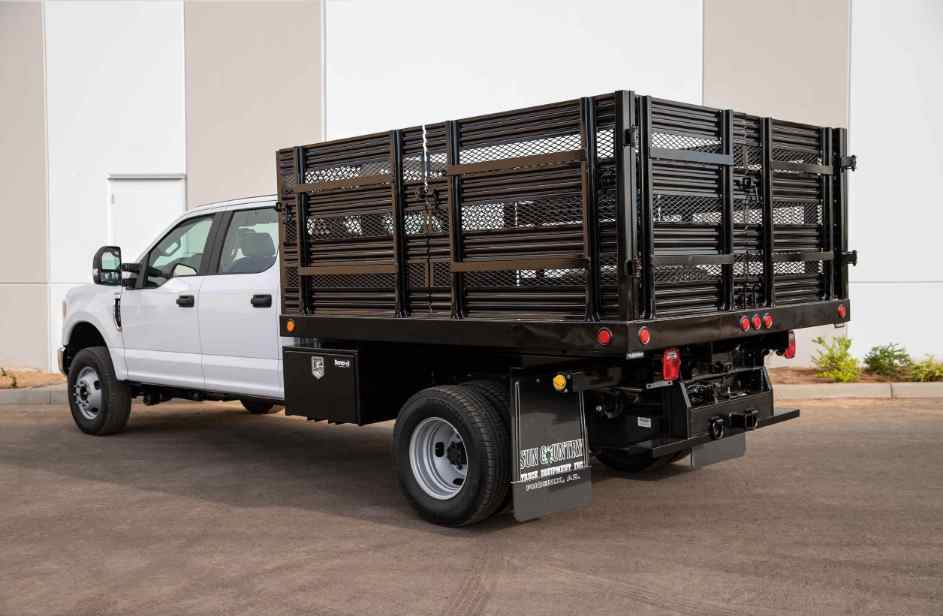
Upgrading a commercial work truck from a standard, factory-installed pickup box to a dedicated utility body or heavy-duty flatbed is a major operational milestone for any trade business. While standard truck beds look great for personal driving, they fall short when subjected to daily commercial operations. The high sheet metal bedsides restrict quick access to tools, the painted cargo floors scratch and dent easily under heavy equipment loads, and organized storage options are virtually non-existent. This structural limitation forces workers to pile valuable tools awkwardly into the cab or scramble over the tailgate constantly, which slows down job site production.
Transitioning to a specialized work platform requires looking past basic dimensions and focusing closely on structural load distribution and storage configuration. Industrial fleet data proves that equipping a chassis cab with an application-specific utility bed immediately slashes tool retrieval times and improves vehicle handling under maximum load capacity. For professionals analyzing structural upgrades or looking for precision-built replacement chassis configurations, consulting specialized fabrication guides from established suppliers likeIron Ox Products provides a clear roadmap to match structural bed capacities with specific gross vehicle weight ratings (GVWR). Selecting the correct configuration ensures your work vehicle remains safe, organized, and highly efficient.
1. Comparing Flatbeds and Utility Enclosures: Matching Your Trade
The first major decision when updating a work vehicle is choosing between an open, versatile flatbed layout and an enclosed, highly secure utility service body.
Both designs solve distinct operational problems on the job site:
The Versatility of Heavy-Duty Flatbeds
Flatbeds provide a massive, completely unobstructed flat surface that is ideal for hauling oversized cargo, heavy mechanical equipment, crated materials, or palletized goods. Because there are no restrictive bedsides, a forklift operator can easily load materials directly from the side of the vehicle at a loading dock. Most premium flatbeds incorporate built-in stake pockets and rub rails along the outer perimeter, allowing operators to lash down heavy cargo ties or drop in removable wooden or steel side walls when hauling loose bulk materials like gravel or landscape mulch.
The Security of Enclosed Service Bodies
Service bodies are engineered primarily for tradespeople who carry an extensive inventory of specialized hand tools, sensitive diagnostic equipment, and small parts fasteners. These beds feature built-in, lockable exterior tool compartments that open from the side of the vehicle, allowing workers to locate parts instantly without climbing into the bed area. The vertical compartments are equipped with heavy-duty weather seals to keep moisture out, protecting expensive power tools from rain, dust, and opportunistic theft.
2. Material Composition: Analyzing Steel vs. Aluminum Performance
The material used to fabricate your utility or flatbed frame determines the overall durability, payload capacity, and fuel efficiency of your commercial work vehicle.
Steel Utility Body → Maximum structural impact resistance, easily welded, heavier dead weight.
Aluminum Utility Body → High payload capacity, natural corrosion resistance, higher upfront cost.
Heavy-Gauge Fabricated Steel
Steel remains the industry standard for severe-duty environments like commercial construction, heavy masonry, and oilfield operations. Fabricated steel frames handle intense structural stress, heavy vibrations, and blunt impacts from dropped machinery without cracking or twisting out of square. If a steel bed experiences damage on a remote job site, it can be easily repaired or modified using a standard mobile welding rig. To prevent rust, steel beds require a high-quality powder coat or hot-dip galvanized finish.
Lightweight Structural Aluminum
Aluminum beds have gained massive traction among fleet operators looking to optimize vehicle efficiency. Aluminum is roughly one-third lighter than structural steel, meaning that installing an aluminum bed immediately increases your truck’s available payload capacity—allowing you to carry more equipment before hitting your legal GVWR ceiling. Furthermore, aluminum naturally resists atmospheric corrosion, making it an exceptional long-term investment for coastal environments or regions that apply heavy salt to winter roads.
3. Critical Installation Factors: CA Dimensions and Electrical Systems
Installing a commercial utility bed is a technical process that requires verifying exact physical dimensions and interfacing with advanced vehicle computing networks.
- Verify the Cab-to-Axle (CA) Dimension: Commercial truck beds are not sold based on the overall length of the truck. They are engineered around the CA measurement, which is the physical distance from the back of the passenger cab to the centerline of the rear axle. A standard pickup truck has a different CA dimension than a true commercial chassis cab, so this measurement must be verified before ordering.
- Accommodate Fuel Filler Plumbing: When removing a factory pickup bed, the flexible fuel filler neck must be carefully rerouted to interface with the new utility bed’s fuel door opening. Proper sloping of this line is essential to ensure fuel flows smoothly without backing up during gas station fill-ups.
- Integrate LED Wiring Harnesses: Modern commercial beds utilize high-visibility LED stop, turn, and tail lighting systems. Because modern truck computers monitor electrical resistance to detect blown bulbs, installing aftermarket lights requires using plug-and-play wiring harnesses equipped with proper resistors to avoid triggering dashboard error lights.
4. Key Security and Convenience Upgrades for Field Work
To maximize the return on your investment, consider adding these functional accessories to your utility configuration during the initial setup phase:
- Install Integrated Multi-Point Slam Latches: Choose tool compartments equipped with heavy-duty, stainless steel T-handle latches that lock at multiple points inside the door frame to prevent forced entry.
- Add Internal LED Compartment Lighting: Running continuous LED strip lights inside the dark toolboxes makes locating tools during early morning start times or late-night emergency service calls effortless.
- Incorporate a Heavy-Duty Rear Headboard: A structural steel headache rack or bulkhead behind the cab protects the passenger compartment from shifting cargo if you have to step on the brakes suddenly.
Maximizing Operational Efficiency for the Long Haul
Upgrading your work truck with a dedicated flatbed or utility service body is a strategic investment that changes how your business operates daily. By selecting a layout that aligns with your specific trade tasks, choosing a material composition that balances durability with payload limits, and ensuring proper chassis installation steps, you build a highly reliable asset. Taking a structured, informed approach to your vehicle’s cargo management system keeps your operations organized, protects your expensive tool inventory, and project a highly professional image to your commercial clients on every job site.


