
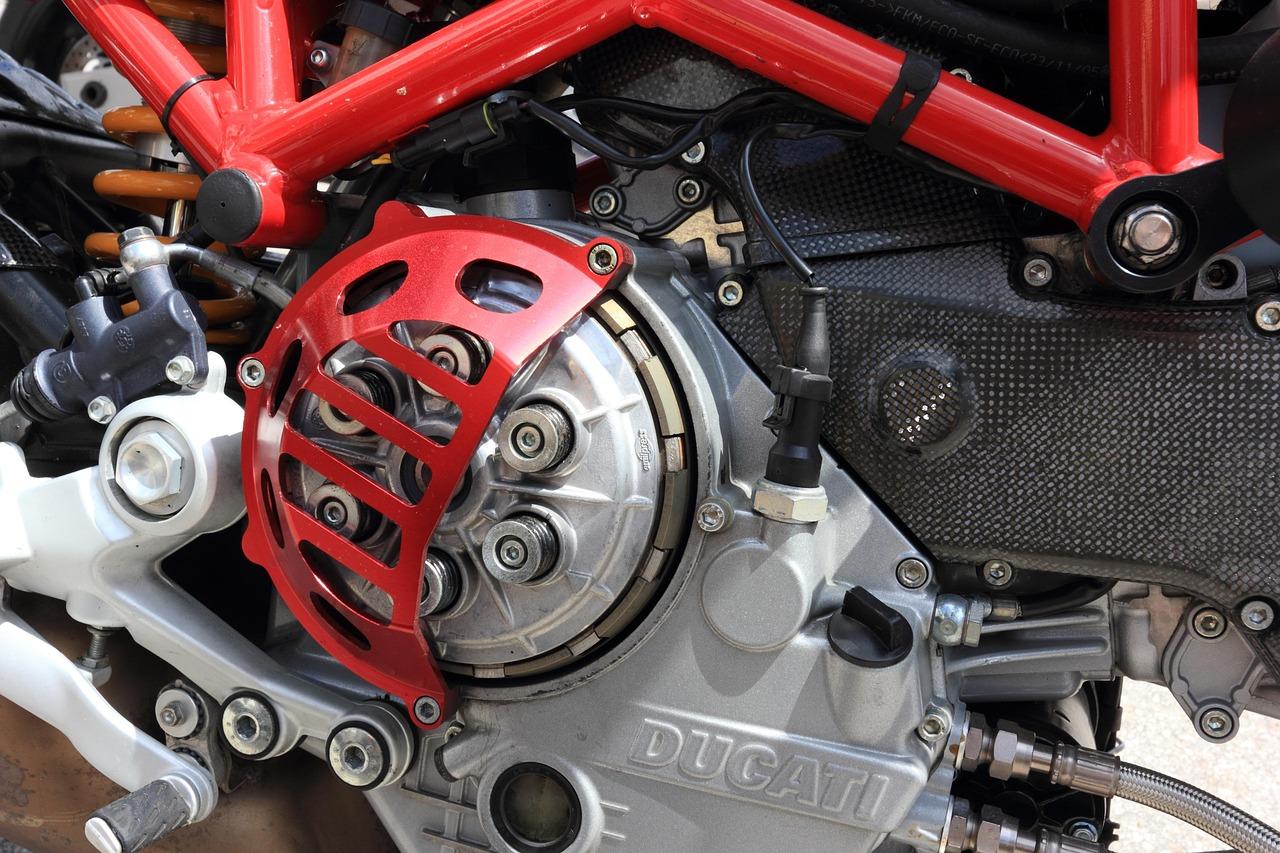
The clutch plays a vital role in your vehicle’s performance, connecting the engine to the wheels and allowing you to shift gears smoothly. Yet, unlike oil changes or tyre rotations, the need for a clutch replacement isn’t always clearly marked on your dashboard. Recognising the early signs can help you avoid costly repairs or being stranded at the roadside.
1. Difficulty Shifting Gears
If you find yourself struggling to change gears, especially when moving from neutral to first or reversing, the clutch may be worn or misaligned. This is often the first noticeable symptom of a failing clutch system.
2. Slipping Clutch
A slipping clutch is when the engine revs increase without a corresponding rise in vehicle speed. It often happens under heavy acceleration or when climbing hills. This can indicate a worn clutch plate or oil contamination within the system.
3. Spongy or Sticking Clutch Pedal
A spongy feel underfoot or a pedal that doesn’t spring back normally can signal issues with the hydraulic system or excessive wear. In some cases, this could be due to air in the fluid lines or problems with the master or slave cylinder.
4. Burning Smell During Driving
A sharp, acrid burning smell, especially during gear shifts or when navigating steep inclines, may indicate that the clutch is overheating. This can result from friction material wearing away or misuse, such as riding the clutch in traffic.
5. Strange Noises When Depressing the Clutch
Grinding, squeaking, or rattling noises when pressing the clutch cable often point to issues with the release bearing or pressure plate. While sometimes mistaken for gearbox problems, such sounds usually originate from the clutch mechanism itself.
6. Poor Acceleration Despite High Revs
If your vehicle seems sluggish or doesn’t pick up speed as expected even though the engine is working hard, power may not be transferring effectively to the wheels. This mismatch is a classic symptom of clutch slippage.
7. High Bite Point
A noticeable rise in the clutch pedal’s bite point—the point where the clutch engages—often means wear is nearing its limit. Over time, drivers may unconsciously adjust their driving style to compensate, delaying essential repairs.
Spotting the signs early can make all the difference between a simple fix and a full-blown roadside breakdown. Whether it’s odd smells, sounds, or driving performance, consistent symptoms should never be ignored. Timely action can extend the lifespan of your vehicle and protect your safety. If you notice multiple signs mentioned above, it may be time to consider a clutch replacement before the problem escalates.


