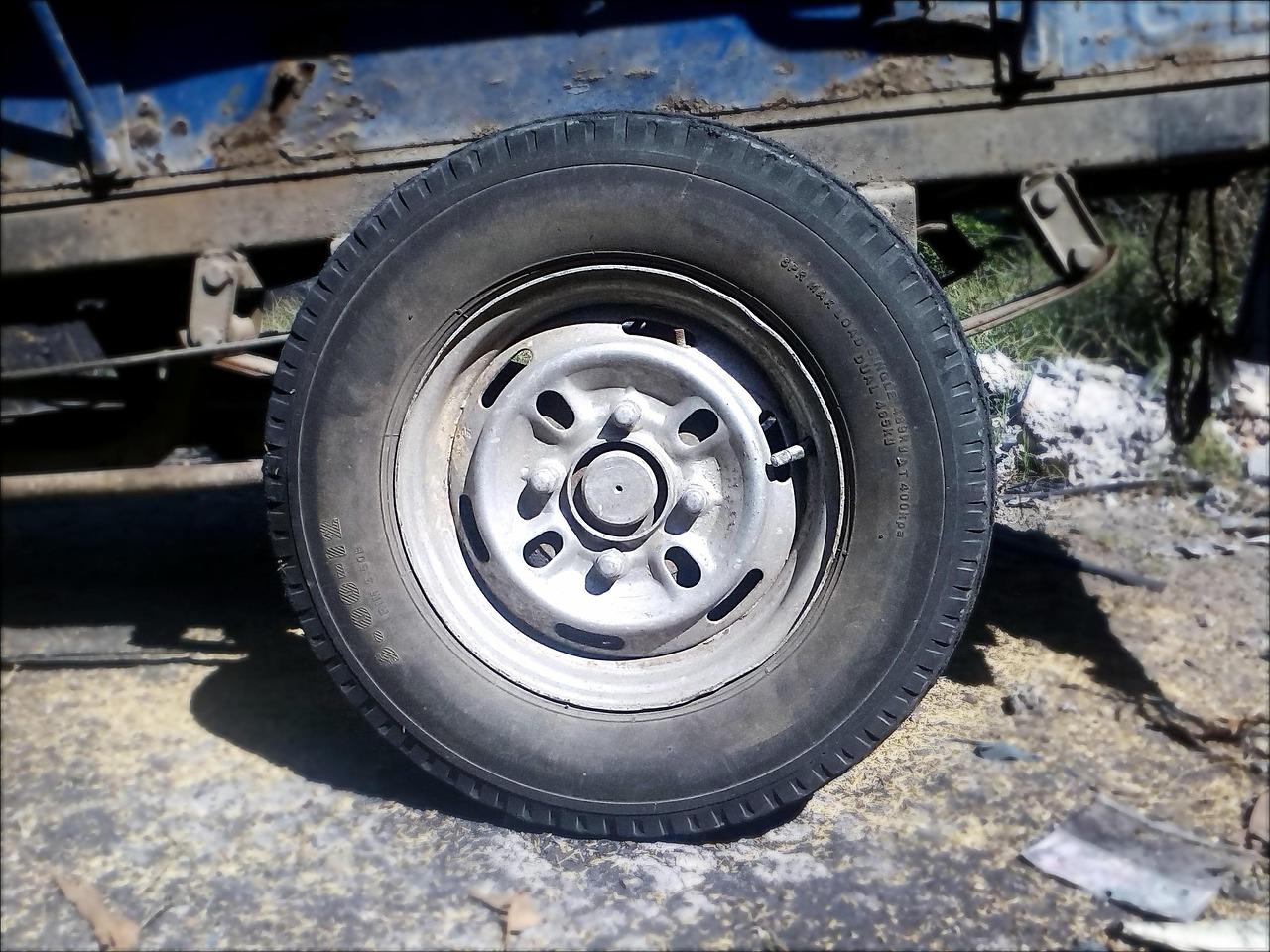
Understanding how the time of year affects vehicle maintenance costs is crucial, especially when it comes to fluctuating tyre prices. Like many automotive expenses, tyre costs are not fixed year-round. Various seasonal factors, from weather patterns to supply chain shifts, can cause noticeable price changes. Knowing when to buy can save motorists money and ensure they’re prepared for the road ahead.
Winter Demand Drives Up Costs
Cold-weather driving often requires specialised tyres such as winter or snow tyres. As temperatures drop, demand spikes—especially in regions prone to ice and snow. This seasonal rush not only tightens supply but also raises costs due to increased manufacturing and distribution pressures. Buying in early autumn, before demand peaks, can be a cost-effective strategy.
Summer Brings Performance Upgrades
Warmer months often see drivers replacing worn-out winter tyres with high-performance summer alternatives. These options tend to be more expensive due to their enhanced grip and handling features. Summer is also a popular time for road trips, further driving up demand. Retailers know this and often adjust prices accordingly, particularly for premium or performance models.
Spring Offers Bargaining Opportunities
As the snow melts and roads clear, the tyre market experiences a brief slowdown. This transition period is an ideal time for savvy buyers. Retailers often run promotions to clear out winter stock, and warehouses start to prepare for summer inventory. Taking advantage of this lull can yield discounts on both winter and all-season options.
Autumn Is the Pre-Winter Pivot Point
Autumn is a pivotal time when proactive drivers prepare for the colder months ahead. Retailers begin stocking winter tyres, and prices gradually increase as the season progresses. Waiting too long into autumn can result in limited stock, longer delivery times, and higher prices. Early planning can sidestep these issues.
Tyre Type and Region Influence Seasonality
Seasonal price swings are more pronounced in areas with extreme weather. For example, regions with heavy snowfall will experience greater demand for winter tyres, which affects local pricing trends. Urban centres may also face sharper increases due to higher competition and distribution costs. Understanding regional dynamics helps predict when and where the best deals will surface.
Watch for off-season clearance sales.
Late spring and early autumn are prime times for clearance sales. Retailers aim to offload seasonal stock, and buyers can find significant savings, especially on models from previous years. These tyre shops are still new and reliable, but are sold at reduced prices to make room for newer inventory.
Whether you’re preparing for a season change or just replacing worn-out rubber, knowing when to buy can make a substantial difference in tyre prices. With a little planning and awareness of seasonal trends, motorists can avoid overspending and keep their vehicles road-ready year-round.